

Article

Building a Progressive Mindset: 5 Tips from Karma Drinks

June 28, 2022

We chatted to Jessamy about Karma Drinks recently and its progressive story spanning ten years. Jessamy shared some of Karma's 'secret sauce' that has helped push the brand into the mainstream while also have an incredibly positive impact on the planet and the people who produce their drinks. For FMCG brands looking to build a progressive, purpose-driven identity, Karma's approach offers valuable lessons.

Top 5 Tips for Building a Progressive Brand


01 - Lay Down Your Intention

Progressivism begins with laying down the intention to leave the world in a better place. **For FMCG brands, this means defining your positive impact from day one.**


02 - Begin by connecting your core beliefs with your ethics and then set down your sustainable purpose


03 - Start from your most authentic place so you can build trust with the consumers you want to reac


04 - Make sure you have a continuous model of improvement sitting at the heart of everything you do


05 - The Power of Three Strategy

Follow a three step strategy - the power of three - for Karma, we want our drinks to taste good, look good and do good. **This simple framework helps FMCG brands balance product quality, brand appeal, and sustainable purpose.**


Want to build a progressive brand strategy? Explore our FMCG marketing services or view our case studies.


share this

Related Articles

Related Articles

By Rich Rawlins June 17, 2026
'Gen Z’ is lazy targeting? Why FMCG should think in behaviours, not birthdays
Yellow basket filled with assorted products on a bright yellow background FINN FMCG
By Richard Rawlins May 11, 2026
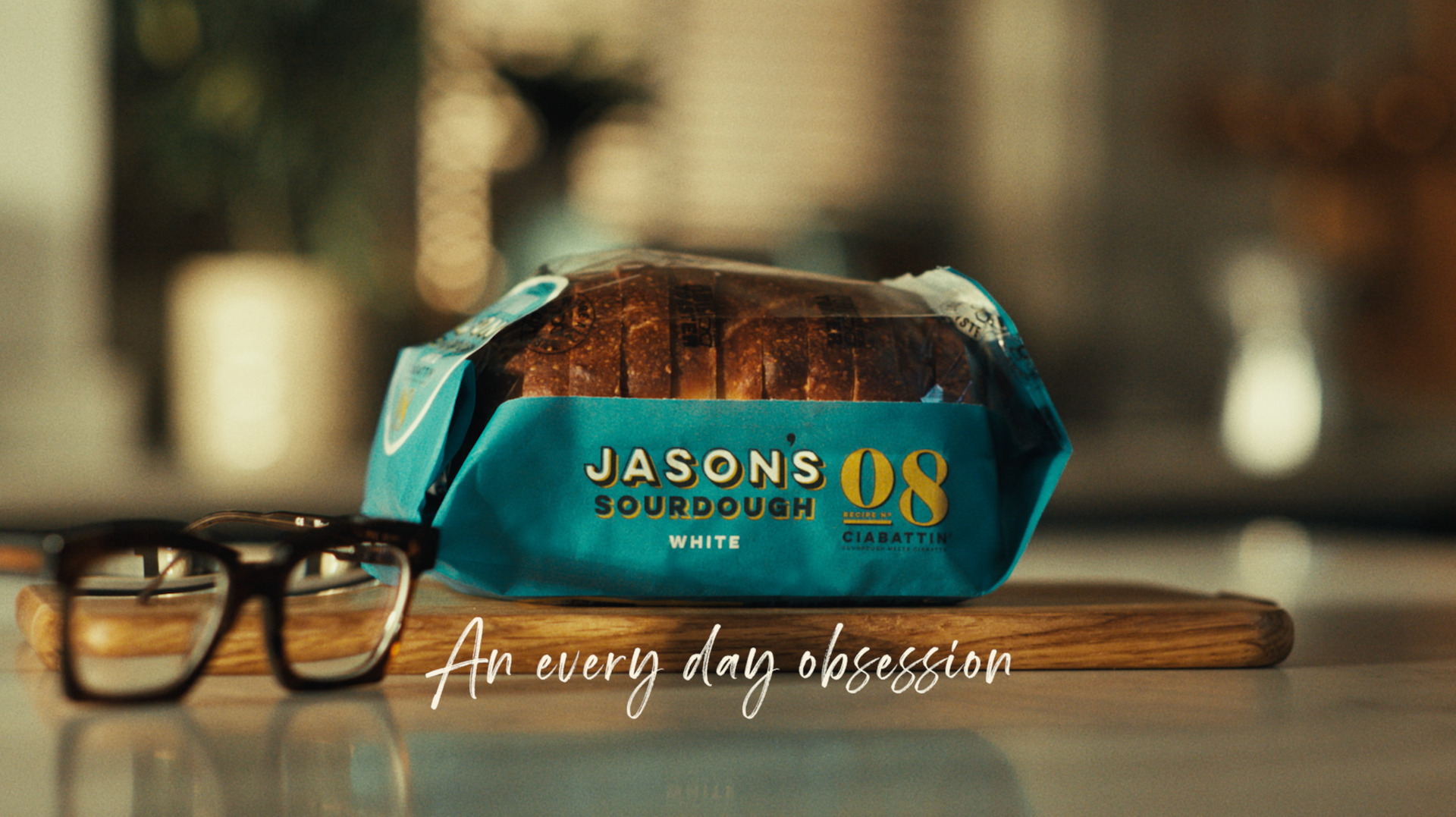
There’s no shortage of good products in FMCG. Walk any aisle or scroll any DTC site and most brands are more than ‘good enough’ ingredients are cleaner, packaging is on point, positioning is sharper than ever. And yet, most of them won’t scale. Not because the product isn’t right, but because the fundamentals of how they approach growth are. At a recent session with Barry Dawber, Sales & Marketing Director at Jason’s Sourdough, we unpacked some of the patterns behind the brands that do break through. What stood out wasn’t complexity, it was clarity, the same principles, applied properly, still win. Here are three that most brands either miss or execute too late. 1. They try to win in someone else’s category This is the most common mistake we see. Brands enter a category and immediately start playing by its rules, same language, same cues, same claims. It feels logical, but it’s also exactly why they get lost. The brands that break through don’t just compete, they create a new category to win. Barry talked about how Jason’s created a new ‘premium everyday’ sub-category. That’s not just positioning, it reframes the entire decision, removing the trade-off and creating a new expectation. That’s what most brands avoid because it feels riskier, but in reality competing head-on with established players is the risk. At Finn, we push brands hard on this. If you can’t clearly articulate the space you’re creating, not just the category you’re in, you’re going to struggle to scale. 2. They try to scale before they’ve earned attention Everyone wants scale, bigger campaigns, broader audiences, more reach. But scale without traction is just expensive noise. The brands that build properly start much narrower. They understand a specific audience deeply, show up where those people already are, and build credibility from the ground up. Barry shared how Jason’s tapped into the clean eating movement early, not with overproduced campaigns, but through relevant, credible content and the right voices. It worked because it felt authentic to the people it needed to land with. That’s the bit most brands rush past. They either miss the moment or try to appeal to everyone with everything all at once. From our side, this is where a lot of the work sits, identifying where attention already exists and how a brand can show up in a way that actually earns it. Win a niche properly and scale becomes far more efficient. Skip that step and you’re constantly fighting for attention and relevance. 3. They ignore the basics (and overcomplicate everything else) For all the noise around new channels and tactics, the fundamentals haven’t changed. Growth still comes down to two things - are you easy to think of, and are you easy to buy? Too many brands over-index on one. You see brands with distribution but no demand, sat on shelf not moving and others with strong engagement but nowhere to actually buy. The opportunity is in doing both, consistently. As distribution grows, communications need to grow with it, not sporadically or reactively, but in a way that builds familiarity over time. It’s basic, but it’s also where most brands fall down. So, what does this mean in practice? None of this is revolutionary, but it does require discipline. Where to play and how to win? Define the space you can credibly own Earn attention in a niche with a distinctive and disruptive clarity before trying to scale it Build distribution and awareness in tandem, scaling A&P investment as distribution is earned At Finn, this is where we see the biggest difference between brands that scale and brands that stall, not in how much they do but in how clearly they prioritise. What’s next We’ll be continuing the conversation at our next event in June, if you’d like to be notified when registration opens you can sign up here.
Channel 4 Skills Content Creatives programme creative talent recruitment
By Chris Weston October 21, 2025
Discover how Finn Agency partnered with Channel 4's Content Creatives programme to open doors for creative talent. Learn why diverse hiring builds better agencies.
ALL ARTICLES