Article

How brands are tackling HFSS

August 18, 2021

The proposed HFSS restrictions will restrict promotions and advertising for food high in fat, salt and sugar. Many regard the proposed restrictions as being ineffective and hugely detrimental to brands at a time of real uncertainty. Others see them as a step in the right direction, something that must be done to combat rising levels of obesity, specifically amongst children. 

There’s still a long way to go with how exactly these restrictions and changes will look as many brands and bodies are lobbying the Government to make amends to the proposal. What is clear is that changes are coming because rising levels of obesity are a cause for concern and the government must be seen to be doing something. Ultimately, brands are going to have to start changing the way they communicate with consumers.

Brands could do this by focusing less on short term sales activations that many so heavily push, and instead focus on long term brand building in comms. Long term brand building is activity designed to define the identity of a brand, in turn creating more meaningful emotional connections with consumers, while increasing salience and ensuring consistent, long-term sales. Another way brands can maneuvre the HFSS restrictions is by developing or advertising products which wouldn’t be affected by them. This would allow brands to clearly define the category they sit in and remain front of mind. 

Here are some examples of brands that have scrapped product centric advertisements in favour of bigger brand ideas, as well as some that have reformulated and developed new products to stay under the radar of HFSS restrictions…

A man in a space suit with the word zenith on it

Red Bull 


Red Bull’s products face some of the highest levels of scrutiny and criticism. High in sugar and caffeine they are an easy target. As a result of this Red Bull has carefully devised an inoffensive marketing strategy over the years. Its activations never really explicitly portray the brand’s products- rather emotions and activities associated with the brand. Red Bull does this through its many sponsorships of extreme sports as well as daring and creative events like the Red Bull Stratos- which saw the first ever free fall from space, facilitated by the brand. 


Ok, so lots of brands can’t afford to invest in events and activity like this. What this does demonstrate though is that you don’t have to just show a product to generate sales. If a brand understands its target audience- what they want and enjoy, it’s not so difficult to connect with consumers in a meaningful way.

A woman is holding a child and a packet of stanley candy

Tony’s Chocolonely 


Take Tony’s Chocolonely as an example… It’s a relatively new brand and one that is revolutionising the chocolate industry. It’s focused on making chocolate fairer- fair for those in less economically developed countries (LEDCs).


The majority of Tony’s Chocolonely’s marketing activity has never focused on the actual products as much as the story behind the brand and it’s raison d’etre- its purpose.


Research shows that consumers are four to six times more likely to purchase, protect and champion purpose-driven companies. This clearly demonstrates that consumers are interested in why brands exist, and receptive to these types of communications.


Tony’s Chocolonely has kept its purpose front and centre and seen fantastic levels of growth as a result. The success Tony’s Chocolonely (a young brand in a well-established category) has seen demonstrates that brands don’t have to have big marketing budgets, or be well known to see success. A brand simply has to have an authentic purpose to resonate with its target audience
A logo for budweiser that says 100 % renewable electricity

Budweiser


While it doesn’t produce products impacted by HFSS, Budweiser nonetheless sits in a category with strict rules surrounding its advertising.

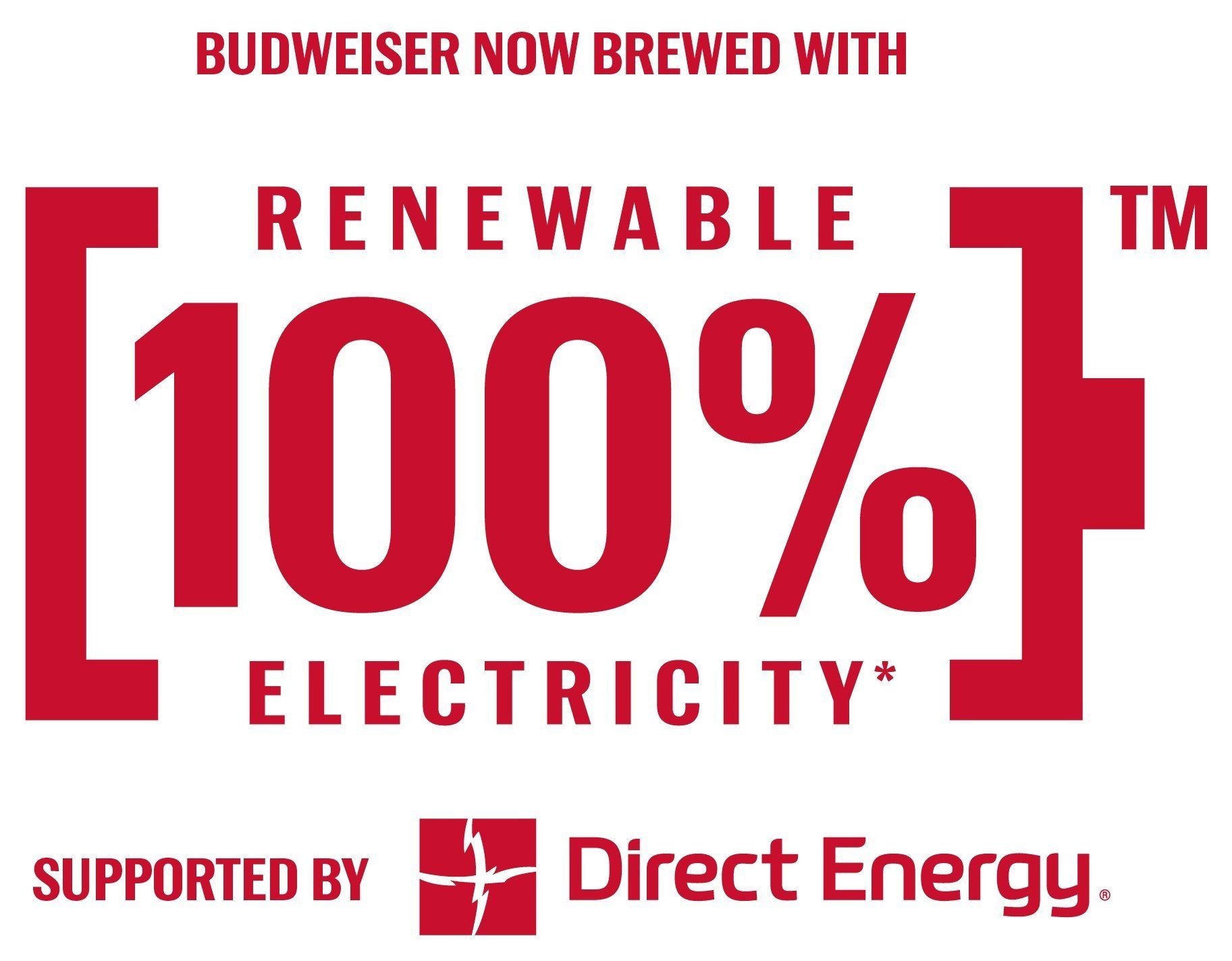
A recent campaign launched by the brand champions its sustainable credentials focusing on the fact that every single one of the brand’s beers are produced using 100% renewable energy.


The ad doesn’t portray any of Budweiser’s products, instead showing viewers how it chooses to behave. The beer category is saturated with brands and products, all vying for consumer attention. Budweiser’s decision to not focus on its product and instead renewable energy emphasises the importance of communicating purpose and brand identity to consumers, especially in light of the new HFSS restrictions.
A table topped with buckets of fried chicken and french fries.

KFC


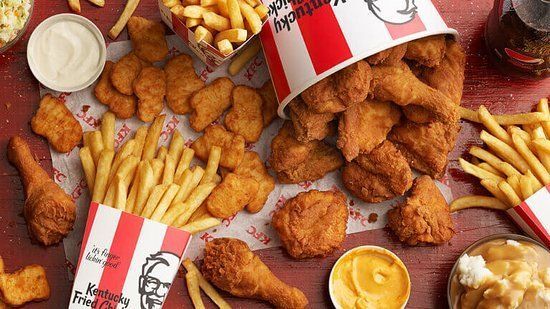
At the end of 2018 KFC released an advert to coincide with mindfulness day, which used the sounds of KFC food being cooked as ASMR. This ad saw huge success, and a variety of other brands have since decided to adopt ASMR in their marketing strategies.

The KFC example is particularly interesting because it demonstrates the potential for exclusively using audio to communicate the benefits of a product. The new HFSS restrictions don’t apply to radio advertisements which leaves brands with a platform to communicate freely.


ASMR is still a relatively new device within marketing and something that is consistently seeing huge levels of growth. The lack of restrictions for radio advertising provides brands with an opportunity to get creative, and ASMR is one of many ways to do this.


A group of children in school uniforms are sitting at a table with two women.

Kind Snacks 


Another brand that’s seen recent success by using audio to market itself is Kind Snacks , which launched a multi-platform marketing campaign encouraging the nation to “live kind”. 


The campaign reminds and motivates consumers to make kinder choices to their bodies and communities- an idea that’s been an integral part of Kind’s purpose since its inception. 


The marketing activity is being brought to life by a new three-episode podcast series, made in partnership with Katie Piper. The podcast, which is called “Kids Live Kind” sees Piper asking children to teach and inspire adults to “act kinder in a post-pandemic world”. 


This is a clear example of a brand focusing on the bigger ideas that create stronger emotional connections with consumers- rather than focusing on short term sales activations like discounts and promotional offers. This activity is also intelligent because there is such a dedicated podcast audience in the UK, with over 15 million regular podcast listeners in 2020- predicted to increase to 20 million by 2024. 


People are highly engaged with this platform (over 80% listen to seven or more hours per week) and it is completely free from HFSS restrictions, which demonstrates the potential of podcasts for brands looking to shout about themselves, and indeed their products. 
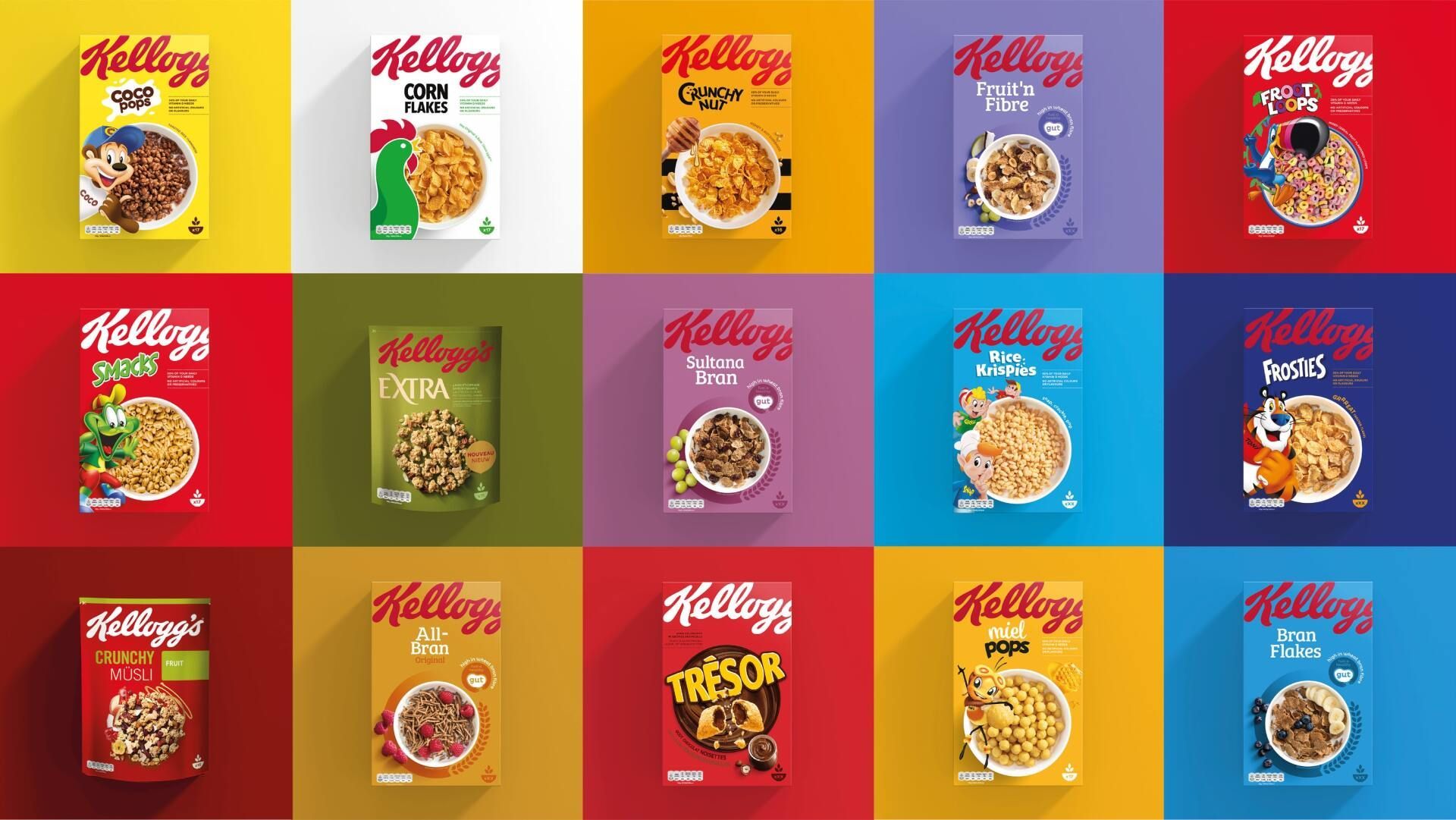

There are many different flavors of kellogg 's cereal.

Kellogg's 
The final example comes from Kellogg's which reformulated its portfolio to subvert HFSS restrictions.


The brand has vowed to cut the sugar content by 10% across its kids’ cereal range making them all non-HFSS by the end of 2022, and cut salt in its cereals by at least 20% by the end of 2022.


This is a big move by a brand and to rework the recipes of an entire product portfolio is not an option for many.  IRI predicts that this strategy could reduce overall sales losses to just £30-75million, though the process itself would be expensive and risky, since new recipes might prove unpopular with consumers (think IRN-BRU).


Ultimately though, brands shouldn’t just rely on reformulating existing products. Doing so might represent an unhealthy dependance on TV and online as paid media channels. Instead HFSS brands should embrace the opportunity and explore alternative marketing strategies, whether that’s a focus on the brand instead of its products, NPD, or different channels like radio, print and out-of-home. Whatever you decide, Finn has the expertise and experience to guide you through these uncertain times.

share this

Related Articles

Related Articles
By Chris Weston October 21, 2025
When we joined the Channel 4 Content Creatives programme through 4Skills, our aim at Finn was simple: to show that creative talent really can come from anywhere. We expected some interest. What we didn’t expect was more than 2,000 people applying for fewer than 20 places. That number stopped us in our tracks. It showed just how much creative ambition there is across the UK and how many people are still looking for a way in. Thousands of people from every corner of the country were essentially saying the same thing: give me a chance to show what I can do. Talent is everywhere. Opportunity isn’t. Opening the Door The Content Creatives programme gives people that first real step into the creative industries. It offers paid training, hands-on placements and a chance to experience agency life from the inside. At Finn, we’ve now hosted three of those placements and we’ve seen exactly what happens when you open that door. Our trainees brought fresh ideas, energy and new perspectives that pushed us forward. They challenged how we approach campaigns and reminded us what creativity feels like when it’s fresh, fearless and unfiltered. They made us better. Simple as that. Rethinking How We Hire Two thousand applications should make everyone in the industry stop and think. The hunger is there, but the routes in are still too narrow. We need to ask ourselves some honest questions. Are we hiring for potential or for polish? Are we offering chances to people without the traditional experience? Are we open to the idea that creative talent doesn’t always look or sound the same? If we keep recruiting from the same places, we’ll keep creating the same work. What We Learned Creativity doesn’t belong to one postcode or one type of person. It exists in people who tell stories online, film videos on their phones, design for local causes or simply see the world differently. Our trainees’ instincts for digital culture, storytelling and social media added real value to our client work. They reminded us that innovation often comes from people who haven’t yet learned the supposed rules. What Comes Next At Finn, we’re taking everything we’ve learned from this programme and building on it. We’ll continue to create space for people with different perspectives and to question what it really means to be qualified.  Those 2,000 applicants showed us how much untapped creativity exists across the country. It’s now up to all of us in the industry to make sure those people are seen and heard.
Boring
By Chris Weston August 20, 2025
Every FMCG brand wants to stand out. New look. Big campaign. Clever line. But the brands that actually cut through? They don’t reinvent every six months. They hold their ground. They’re boringly consistent.
A close up of a row of metal pipes stacked on top of each other.
July 10, 2025
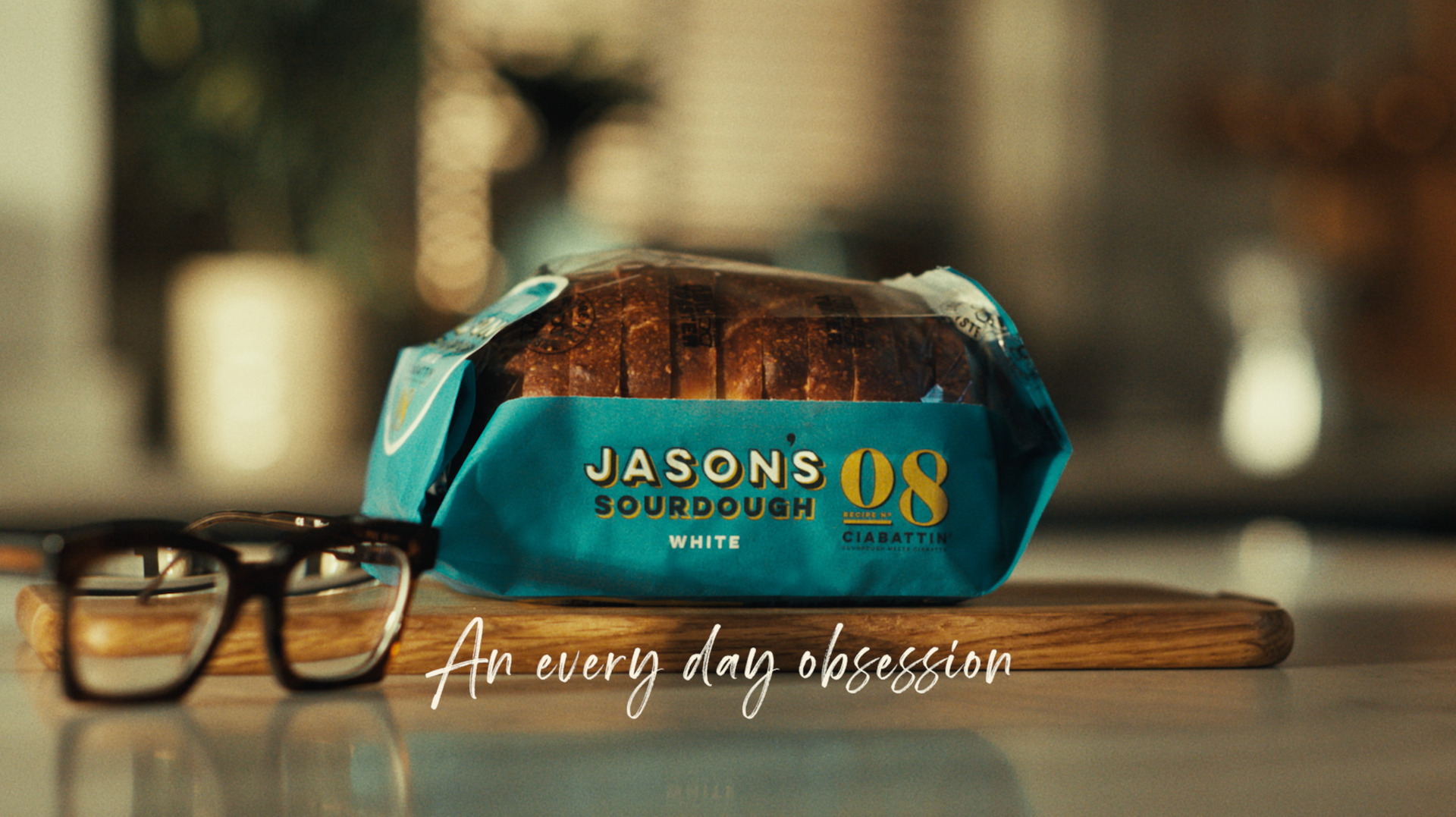
In the crowded aisles of the supermarket and the endless scroll of online retail, the brands that win are those that are instantly recognisable, easy to recall, and impossible to ignore. When asked, consumers often find it hard to explain why they can point out a brand, it’s just meaninglessly distinctive. This is the key to Driving Demand. For FMCG brands, this is not just a matter of luck or budget—it’s the result of a disciplined focus on brand signals, distinctive assets, and mental availability. What Are Brand Signals? Brand signals are the cues—visual, verbal, and sensory—that communicate your brand’s identity and values at every touchpoint. In FMCG, where purchase decisions are made in seconds, these signals must be clear, consistent, and compelling. Key brand signals include: Logo and Colour Palette: The first visual handshake with the consumer. Packaging Design: The silent salesperson on the shelf. Tone of Voice: The personality that comes through in every message. Brand Rituals: Unique ways consumers interact with your product (e.g., Oreo’s “Twist, Lick, Dunk”) 1 . Sensory Cues: Sounds, smells, or textures that reinforce brand memory (think the pop of a Pringles can or the scent of a branded soap) Distinctive Brand Assets: Your Competitive Kryptonite Distinctive assets are the unique, ownable elements that make your brand stand out and stick in the mind. They are not just “nice to have”—they are proven drivers of brand recall and preference. It is these that drive demand and the holy FMCG grail of penetration Examples of distinctive assets in FMCG: Jason’s Sourdough: Jason’s distinctive thick-rimmed glasses Rowntree’s Fruit Pastille : the stack of rainbow colour Coca-Cola’s Contour Bottle: Instantly recognisable, even without a logo. McDonald’s Golden Arches: A global symbol of fast, consistent and dare we say it delicious food. Why do they matter? They cut through the noise in cluttered categories. They build memory structures, making your brand easier to recall at the point of purchase (driving demand). They create emotional connections, fostering loyalty and advocacy (penetration) Mental Availability: Winning the Battle for Attention Mental availability is the likelihood that your brand comes to mind in a buying situation. It’s not just about awareness—it’s about being top-of-mind when and where it matters most. How to build mental availability: Create Strong Memory Links: Consistently use your distinctive assets across all channels and touchpoints. Align with Category Entry Points (CEPs): Understand the cues and situations that trigger purchase in your category, and ensure your brand is associated with them. Reach Broad Audiences: Don’t over-target; the goal is to be remembered by as many potential buyers as possible Consistency is Key: Every interaction, from advertising to packaging, should reinforce the same signals and assets The Compound Effect in FMCG When brand signals and distinctive assets are deployed consistently, they supercharge mental availability. This means: Faster, easier consumer choices: Your brand is the shortcut in a busy mind. Greater resilience to competitive activity: Distinctive assets are hard to copy and easy to defend. Sustained growth: Brands with high mental availability grow faster and command greater loyalty. Practical Steps for FMCG Brands  Audit Your Brand Assets: Identify what is truly distinctive and what is generic. Codify and Protect: Trademark your most valuable assets where possible. Embed in Every Touchpoint: From ATL campaigns to shelf-edge, ensure assets are visible and consistent. Measure and Optimise: Use data to track recall and association, refining as you go. In the world of FMCG, the brands that thrive are those that invest in building and consistently deploying their brand signals and distinctive assets. This is the foundation of mental availability—and the key to winning at the moment of choice. For an audit of your brand and a free workshop to help you unlock new potential
ALL ARTICLES