
Article

Breaking our bad habits

September 15, 2022

The monkey on our backs


Trust me on this: nothing gets a group of people buzzing like sharing your favourite market research story.


Mine is when strategists at AMV BBDO
sent in a guy in a gorilla suit to walk around a supermarket on a Saturday morning. They wanted to prove to Sainsbury’s that consumers were shopping on autopilot, and paying so little attention that they wouldn’t even notice a giant monkey doing his weekly shop.


No one noticed the gorilla. The evidence led to Sainsbury's “Try Something New Today” strap-line, which
increased revenue by £2.5 billion . Everyone won a lot of awards.


This story (and an
overwhelming amount of data available to anyone with Google) is great evidence of just how hard it is to crack a habitual purchase cycle.


Progressive challenger brands (especially in FMCG) know this all too well. 


Even when a challenger product is objectively better, more ethical, or offers greater value than big-brand competitors, shoppers will overlook them in favour of a simpler purchase decision. 


There are levers to change this behaviour, and at Finn we spend our days pulling them.


But now a once-a-decade opportunity arises.


A scary opportunity


As we head into an era of increasing inflation and economic disarray, it might seem like the deck is stacked ever more against challenger brands. Big brands have deeper pockets, more established distribution, and more mental availability .


But economic downturns represent a huge opportunity for challenger brands to break the habit cycle.


We know that in times of recession, consumers tend to
reevaluate what constitutes an essential purchase , and what constitutes a treat. 


“Treat” purchases such as electronics are pushed back to a time when money isn’t as tight. Whereas “essentials” (food and drink for example) are reevaluated, to either reduce cost or find smaller, lower-cost treats.


The opportunity for challenger brands is to interrupt a portion of these freshly-awoken sleep shoppers as they consider their transition options, and show them the value that they offer as an “treat” upgrade.


If they can divert just a fraction of these transitory shoppers into their buyer base, it can mean huge proportional growth.


Three steps out of sleepwalking


FMCG challenger brands that succeed will do three things.


Firstly they will ensure that their messaging clearly targets their benefits when compared to the established brands they want to steal from. 


Many challenger brands make the mistake of seeing other challengers as their key competitors, and invest too much energy trying to win against them.


But if multiple small brands are growing in a category at once, this should be seen as a good thing not a threat. It will increase overall consumer interest in the category - pushing more shoppers out of autopilot.


Secondly, they will bring retail partners on board as collaborators.


Retailers will see a shift to own-label as an opportunity. They won’t be thrilled at the prospect of listing brands that are actively trying to compete with this shift. 


But progressive brands will be able to show retailers that they have tightly targeted audience segments, and that their products can sit alongside a mass shift to own-label, making a retailer’s offering more diverse and appealing without stealing profit.


Finally, they will cement distinction and begin to grow their own habitual buyers. 


Those of us who have made a New Year's resolution knows that forming a new habit is as hard as breaking an old one. Progressive brands can fast-forward this process by targeting their consumers from multiple angles to embed their brand as rapidly as possible during this window of opportunity.


This can be achieved through tactics such as loyalty and CRM programmes, content that offers real (yes, real) value to the consumer, and partnerships with brands in tangential categories.


The end-game for progressive FMCG challenger brands is to come out of the next few years with a base of consumers who are both genuinely engaged in the brand, and also habitually buying their products.


If successful, they will have achieved what a man in a gorilla suit couldn’t: breaking shoppers out of their habits and helping them make an informed choice.


share this

Related Articles

Related Articles

By Chris Weston October 21, 2025
When we joined the Channel 4 Content Creatives programme through 4Skills, our aim at Finn was simple: to show that creative talent really can come from anywhere. We expected some interest. What we didn’t expect was more than 2,000 people applying for fewer than 20 places. That number stopped us in our tracks. It showed just how much creative ambition there is across the UK and how many people are still looking for a way in. Thousands of people from every corner of the country were essentially saying the same thing: give me a chance to show what I can do. Talent is everywhere. Opportunity isn’t. Opening the Door The Content Creatives programme gives people that first real step into the creative industries. It offers paid training, hands-on placements and a chance to experience agency life from the inside. At Finn, we’ve now hosted three of those placements and we’ve seen exactly what happens when you open that door. Our trainees brought fresh ideas, energy and new perspectives that pushed us forward. They challenged how we approach campaigns and reminded us what creativity feels like when it’s fresh, fearless and unfiltered. They made us better. Simple as that. Rethinking How We Hire Two thousand applications should make everyone in the industry stop and think. The hunger is there, but the routes in are still too narrow. We need to ask ourselves some honest questions. Are we hiring for potential or for polish? Are we offering chances to people without the traditional experience? Are we open to the idea that creative talent doesn’t always look or sound the same? If we keep recruiting from the same places, we’ll keep creating the same work. What We Learned Creativity doesn’t belong to one postcode or one type of person. It exists in people who tell stories online, film videos on their phones, design for local causes or simply see the world differently. Our trainees’ instincts for digital culture, storytelling and social media added real value to our client work. They reminded us that innovation often comes from people who haven’t yet learned the supposed rules. What Comes Next At Finn, we’re taking everything we’ve learned from this programme and building on it. We’ll continue to create space for people with different perspectives and to question what it really means to be qualified.  Those 2,000 applicants showed us how much untapped creativity exists across the country. It’s now up to all of us in the industry to make sure those people are seen and heard.
Boring
By Chris Weston August 20, 2025
Every FMCG brand wants to stand out. New look. Big campaign. Clever line. But the brands that actually cut through? They don’t reinvent every six months. They hold their ground. They’re boringly consistent.
A close up of a row of metal pipes stacked on top of each other.
July 10, 2025
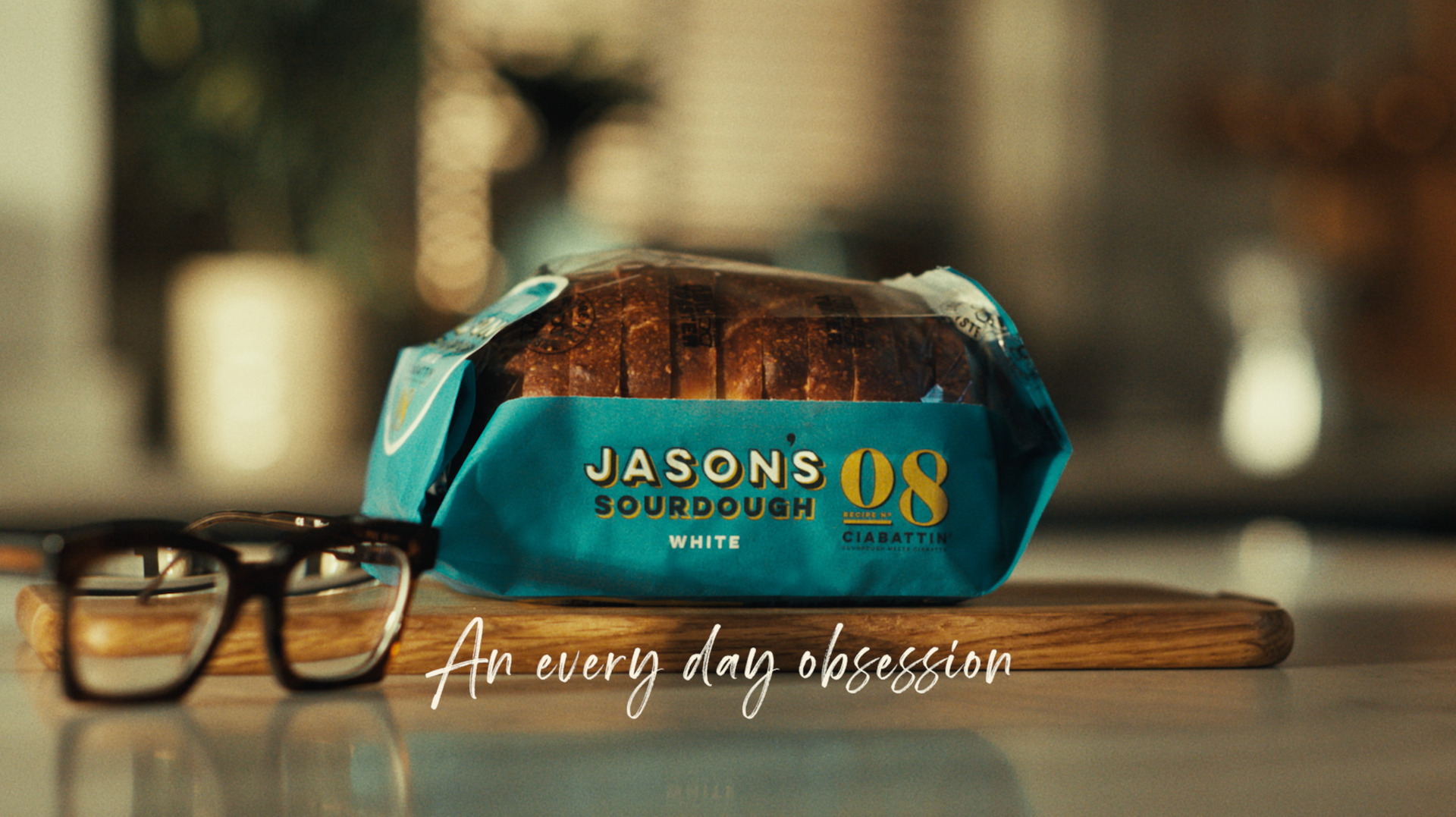
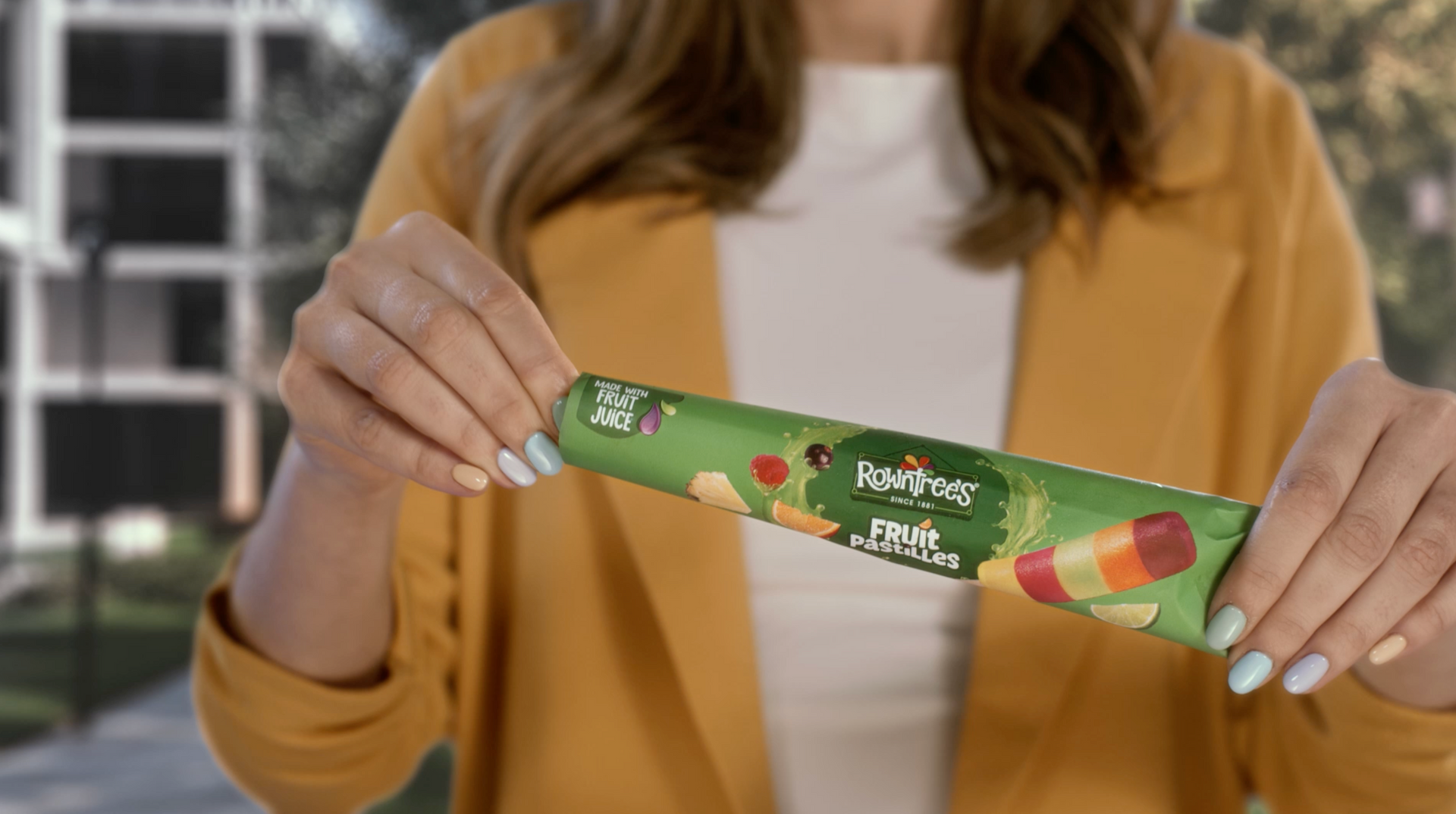
In the crowded aisles of the supermarket and the endless scroll of online retail, the brands that win are those that are instantly recognisable, easy to recall, and impossible to ignore. When asked, consumers often find it hard to explain why they can point out a brand, it’s just meaninglessly distinctive. This is the key to Driving Demand. For FMCG brands, this is not just a matter of luck or budget—it’s the result of a disciplined focus on brand signals, distinctive assets, and mental availability. What Are Brand Signals? Brand signals are the cues—visual, verbal, and sensory—that communicate your brand’s identity and values at every touchpoint. In FMCG, where purchase decisions are made in seconds, these signals must be clear, consistent, and compelling. Key brand signals include: Logo and Colour Palette: The first visual handshake with the consumer. Packaging Design: The silent salesperson on the shelf. Tone of Voice: The personality that comes through in every message. Brand Rituals: Unique ways consumers interact with your product (e.g., Oreo’s “Twist, Lick, Dunk”) 1 . Sensory Cues: Sounds, smells, or textures that reinforce brand memory (think the pop of a Pringles can or the scent of a branded soap) Distinctive Brand Assets: Your Competitive Kryptonite Distinctive assets are the unique, ownable elements that make your brand stand out and stick in the mind. They are not just “nice to have”—they are proven drivers of brand recall and preference. It is these that drive demand and the holy FMCG grail of penetration Examples of distinctive assets in FMCG: Jason’s Sourdough: Jason’s distinctive thick-rimmed glasses Rowntree’s Fruit Pastille : the stack of rainbow colour Coca-Cola’s Contour Bottle: Instantly recognisable, even without a logo. McDonald’s Golden Arches: A global symbol of fast, consistent and dare we say it delicious food. Why do they matter? They cut through the noise in cluttered categories. They build memory structures, making your brand easier to recall at the point of purchase (driving demand). They create emotional connections, fostering loyalty and advocacy (penetration) Mental Availability: Winning the Battle for Attention Mental availability is the likelihood that your brand comes to mind in a buying situation. It’s not just about awareness—it’s about being top-of-mind when and where it matters most. How to build mental availability: Create Strong Memory Links: Consistently use your distinctive assets across all channels and touchpoints. Align with Category Entry Points (CEPs): Understand the cues and situations that trigger purchase in your category, and ensure your brand is associated with them. Reach Broad Audiences: Don’t over-target; the goal is to be remembered by as many potential buyers as possible Consistency is Key: Every interaction, from advertising to packaging, should reinforce the same signals and assets The Compound Effect in FMCG When brand signals and distinctive assets are deployed consistently, they supercharge mental availability. This means: Faster, easier consumer choices: Your brand is the shortcut in a busy mind. Greater resilience to competitive activity: Distinctive assets are hard to copy and easy to defend. Sustained growth: Brands with high mental availability grow faster and command greater loyalty. Practical Steps for FMCG Brands  Audit Your Brand Assets: Identify what is truly distinctive and what is generic. Codify and Protect: Trademark your most valuable assets where possible. Embed in Every Touchpoint: From ATL campaigns to shelf-edge, ensure assets are visible and consistent. Measure and Optimise: Use data to track recall and association, refining as you go. In the world of FMCG, the brands that thrive are those that invest in building and consistently deploying their brand signals and distinctive assets. This is the foundation of mental availability—and the key to winning at the moment of choice. For an audit of your brand and a free workshop to help you unlock new potential
ALL ARTICLES