
Article
Own brand versus own label
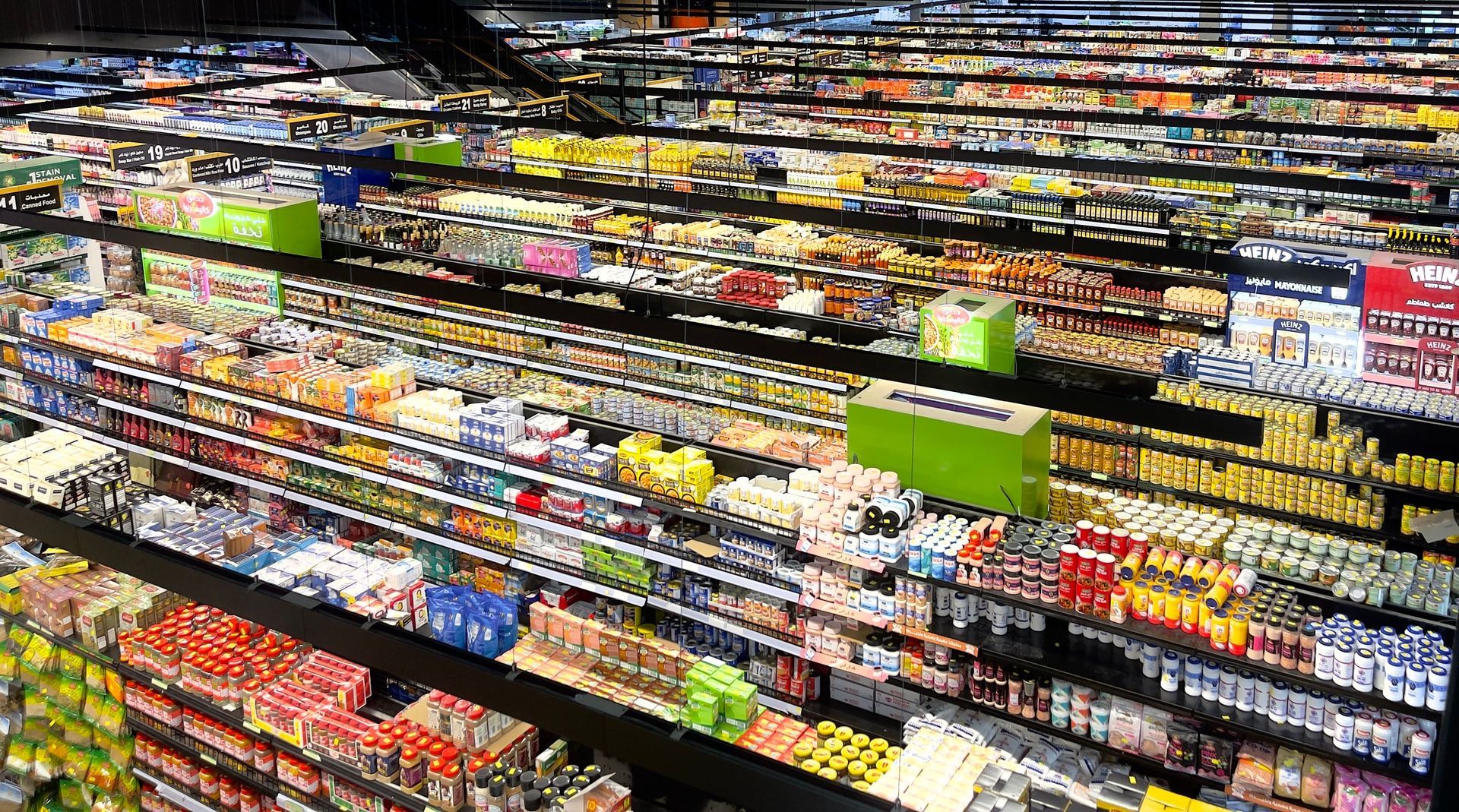
Own label now makes up more than half of what we spend in UK supermarkets. Worldpanel had it at 52.2% of grocery spend in the four weeks to 25 January, the highest it's ever been. Circana reckons it's now half of all units sold across Europe's six biggest grocery markets too.
It was one of the big topics when Adam Leyland spoke at our FMCG Leaders Lunch in Leeds in September, and I've been chewing on it since. Not so much the number, which most of us saw coming, but the words we use for it.
We still say "own label" out of habit. I'm not sure it fits any more.
When I started out, own label meant the cheaper version. It sat next to the brand leader in a pack that looked a bit like it, and the pitch was basically "same thing, less money". The retailer let the brands do the hard work of finding out what people wanted, then followed on. One of the questions sent in for Adam before the lunch made exactly that point: retailers used to wait for brands to innovate first. They don't bother waiting now.
Look at Finest, Taste the Difference, Asda's Exceptional or Aldi's Specially Selected. They've got names people ask for by name, their own look, their own NPD calendars, and Christmas ranges that get reviewed in the national papers. Calling those "labels" undersells them. They're own brands, they just happen to belong to the shop, and they're a lot harder to compete with than a cheaper copy ever was.
The premium end shows it best. Over Christmas, premium own label grew 9% and took 7.5% of all grocery sales. In December the supermarkets' premium ranges went past £1bn in a single month for the first time and ended up in 92% of baskets. People weren't buying those to save money.
The awkward bit for brands
The flip side is that plenty of brands have drifted the other way. If most of your volume goes through on promotion, your NPD is mostly new flavours of the same thing, and you'd struggle to explain why someone should pay 50p more for you, then you're behaving like own label. Just with a bigger marketing budget.
Shoppers notice that. And in a straight fight on price, the retailer's own product will usually win, because the retailer sets the price and owns the shelf.
So I'd come at the usual brands-versus-own-label debate slightly differently. The question I find more useful with clients is whether they're behaving like a brand or like a label. The supermarkets' own ranges have spent the last few years learning to behave like brands. Some brands have spent the same years forgetting.
The beans
The bit of Adam's interview that's stuck with me most was about beans. Somebody has built a brand around beans (beans!) and sells it at nearly ten times the price of supermarket own label. In a cost-of-living crisis, with Aldi and Lidl as strong as they've ever been.
His take was that it "just shows that brands have real power, when done right."
I don't think the lesson is that everyone should go premium. It's more that a slightly better product at a slightly higher price is now exactly where the own brands are strongest. If you want people to pay more, you need a properly good reason, and ideally one the supermarket can't copy at the next range review.
What that means in practice
It's shaped a fair few conversations with our clients this year. Mostly around:
- What it would take to justify a much bigger premium, rather than spending all our energy defending a small one?
- Which tired, commodity categories are ready for someone to do to them what was done to beans?
- Making packs unmistakable on shelf, because the own brands are incredibly consistent and strong brand cues do more to stop switching than another price cut.
- Putting effort into the things a retailer can't easily copy, like a founder's story, where the product comes from, or the community around it.
- Having a proper plan for the discounters, rather than a cut-down version of the big four plan.
After twenty years at The Grocer, Adam's view is that every change creates an opportunity somewhere, wherever it comes from. Own label passing 50% is a decent example. It's a threat, obviously. But it also shows pretty clearly what shoppers are rewarding, which is a good reason to pick you over the thing next to you.
If beans can sell at ten times own label, it's worth asking where your brand could do something similar.
Sources: Worldpanel by Numerator (own label share of grocery spend, four weeks to 25 January 2026; Christmas 2025 premium own label figures); Circana (private label unit share across Europe's six largest grocery markets, April 2026).
share this
Related Articles
Related Articles