
Article
Deinfluencing: Sustainable Consumerism or Marketing Tactic?
What is Deinfluencing?
In a global economy where consumers are pushed to purchase more and more, is deinfluencing a move towards sustainability or a marketing tactic?
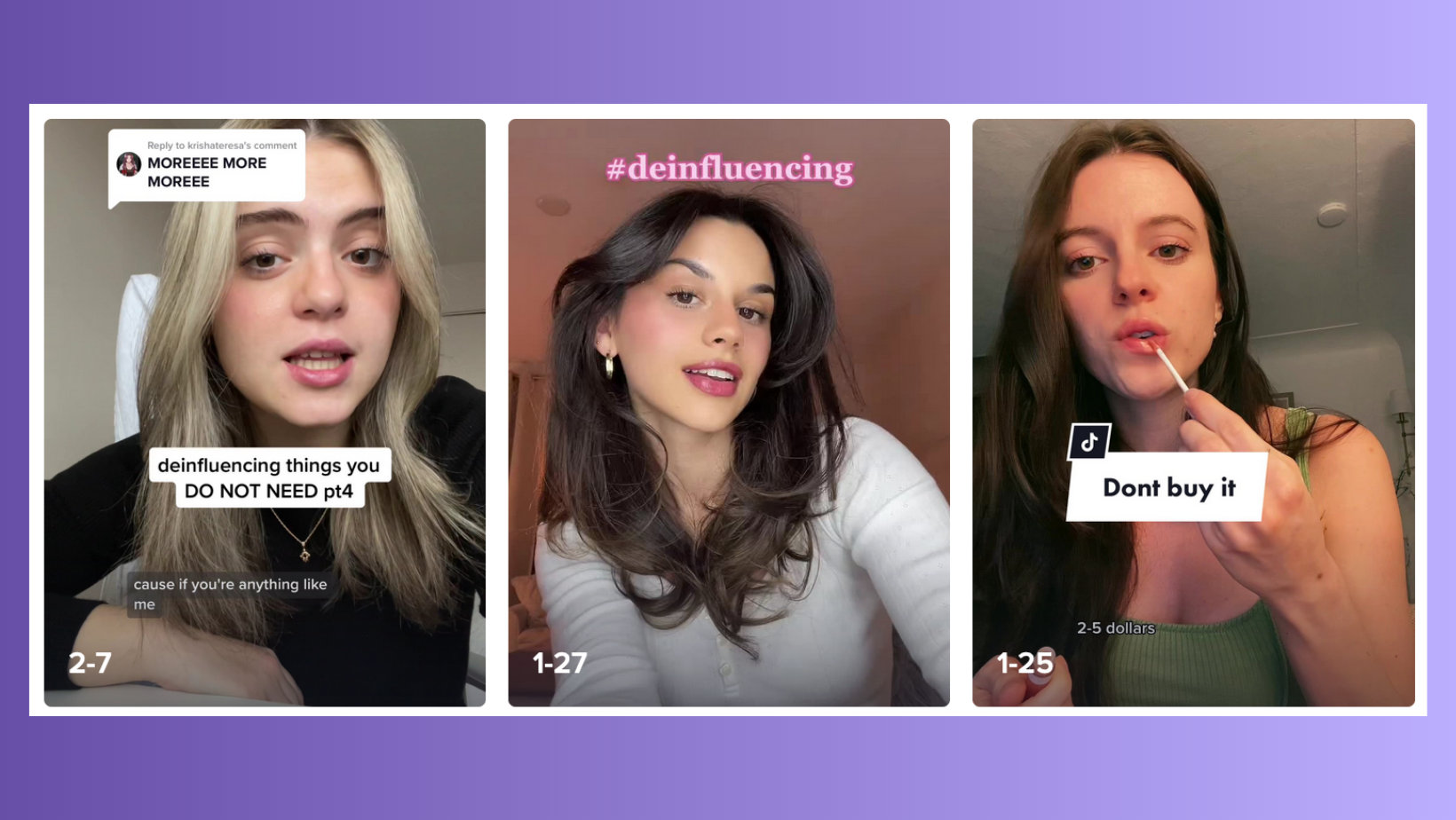
The latest social media movement to deinfluencing, praised as the antidote to consumerism, sees influencers giving negative, but honest, feedback on trending and widely promoted items, such as the Dyson Air Wrap and Ugg Ultra Mini Boots. The deinfluencing trend represents a shift in how consumers evaluate products, especially in categories like beauty, fashion and FMCG. Influencers sharing honest and authentic content are experiencing higher views. The current algorithm favours the brave, and influencers who show integrity by taking risks are recognised as trustworthy, which helps build audience trust.
Gen Z Drives Demand for Authenticity
Today's consumers are more aware of advertisements than ever before, and are searching for credible influencer content in the form of reviews and demos. Gen Z is driving this shift towards both brand and advocate authenticity, with reports citing authenticity, long term partnerships and brand relevance as the most important values for this generation, which is demonstrated through the shift to lo-fi content across platforms such as TikTok and BeReal. For FMCG brands targeting Gen Z, understanding the deinfluencing trend is critical to building credible partnerships.
The deinfluencing trend has been picked up in various ways, ranging from influencers and brands recommending dupes and alternative product uses through to content that exclusively reviews products in a negative way. Few have yet to take that step towards sustainability by urging followers to make considered, less frequent purchases.
What Deinfluencing Means for FMCG Brands
For brands, this proves that authentic, long-term partnerships should be the foundation of influencer marketing strategy. When content engages influential fans to positive sentiment it becomes easier to build loyal communities and target like-minded consumers. FMCG brands must prioritise working with influencers who genuinely use and believe in their products, rather than chasing reach alone.
For influencers who choose not to contribute to the deinfluencing movement, deciding not to mention products they don’t believe in or they perceive to be poor value, are beginning to be considered inauthentic.
The Future of Influencer Marketing
Whilst there are aspects of the trend which lean towards making influenced consumerism more sustainable, could it just be a marketing strategy?
Need help navigating influencer marketing for your brand? Explore ourFMCG marketing services or view our
case studies.
share this
Related Articles
Related Articles